I have been keeping a journal for years. I started with a plain spiral notebook, then moved to a leather-bound option, then tried a digital app. Each one worked for a while, but something always slipped. The notebook sat unused after a week. The app felt cold and disconnected. I realized the problem wasn’t my commitment. It was the tool itself. A journal has to feel right in your hands, and it has to guide you toward clarity, not just blank pages.
That is why I started looking at the LeStallion journaling notebook more seriously. Not because of any marketing, but because a friend showed me hers. She is a project manager with three kids and still writes every morning. She told me it wasn’t about discipline. It was about the design of the notebook. That got my attention.
What Makes a Journal Actually Useful
Most notebooks are just paper bound together. They do not help you think. They do not encourage structure. You open to a blank page and feel pressure, not inspiration. Over time, that pressure kills the habit. A good journaling system removes that friction. It gives you prompts, layouts, and space that make writing feel natural.
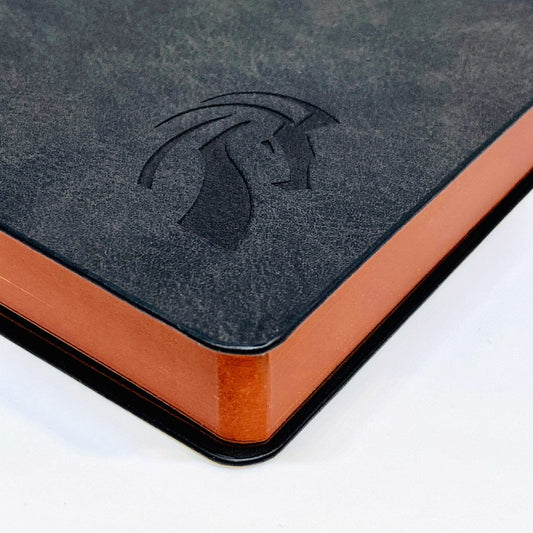
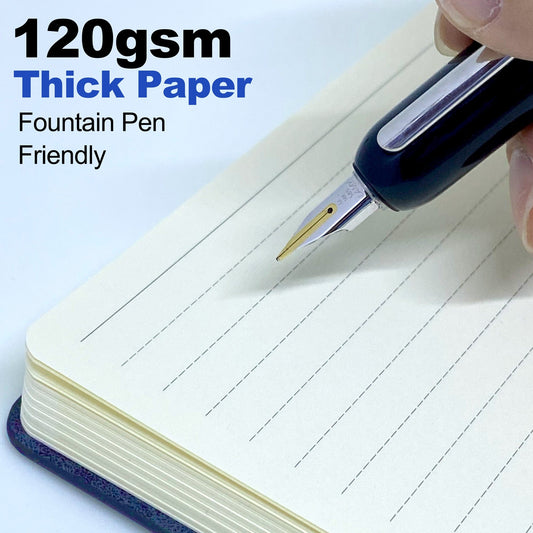
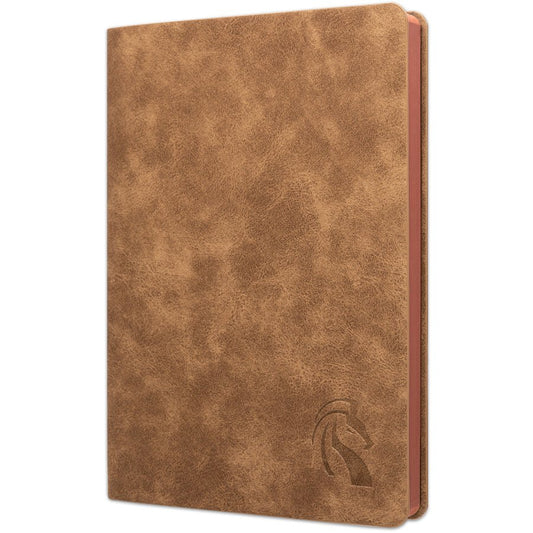
The LeStallion journaling notebook does exactly that. It combines thoughtful page layouts with a durable cover that lays flat. The paper is thick enough to handle fountain pens, but smooth enough for ballpoint. Small details like page numbers and an index section make it easy to find past entries. These are not gimmicks. They are features that support a consistent practice.
Why Structure Matters More Than You Think
When I started using a structured journal, I noticed a shift. Instead of staring at a white page, I had prompts. Instead of writing random thoughts, I had categories. Morning pages, daily goals, evening reflection. That structure did not limit me. It freed me. I wrote more because I knew where to start.
The LeStallion journaling notebook uses a similar philosophy. It guides you through each day without being rigid. You can follow its prompts or ignore them. The point is that the option is there. For someone new to journaling, that guidance is crucial. For someone experienced, it keeps the practice fresh.
Journaling as a Productivity Tool
I used to think journaling was for emotional release or creative writing. It is, but it is also a powerful productivity tool. Writing down your goals each morning forces you to prioritize. Reviewing your day each evening helps you see what worked and what didn’t. Over time, that reflection builds better habits.
One of the most useful sections in this type of journal is the weekly planning spread. You list your top three priorities for the week. Then each day, you break those into smaller tasks. This method prevents overwhelm. You are not trying to do everything. You are doing the most important things.
I have tried this method with a regular notebook, and it works okay. But the LeStallion journaling notebook makes it easier because the layout is already there. I do not have to draw lines or create boxes. I open to the right page and start writing. That saves time and mental energy.
Real Examples from Real People
I talked to a freelance designer who uses one. She said it helped her stop jumping between projects. She writes down her main task for each time block, and she sticks to it. Before, she would check email, then work on a logo, then answer messages, and feel scattered. Now she finishes one thing before moving on.
A teacher I know uses it to track lesson ideas and student progress. He writes quick notes during the day and reflects in the evening. He told me the journal gives him a sense of control. He does not forget important observations because they are written down.
These are not extraordinary people. They are busy professionals who found a system that works. The LeStallion journaling notebook is part of that system, not because of magic, but because of smart design.
Choosing Between Digital and Paper
I still use a digital calendar and task manager. But I have found that paper journaling fills a gap that digital tools cannot. Writing by hand slows me down. It forces me to think more deeply. Digital tools are fast, but they can be distracting. Notifications pop up. Apps compete for attention. A paper journal is quiet. It lets you focus.
That does not mean one is better than the other. I use both. But for reflection, planning, and habit tracking, paper wins. The LeStallion journaling notebook has become my go-to for those purposes. It sits on my desk, and I reach for it several times a day.
How to Build a Consistent Practice
If you are new to journaling, start small. Write for five minutes each morning. Use prompts if you need them. Do not worry about writing perfectly. The goal is consistency, not eloquence.
Here are a few tips that worked for me:
- Keep the journal in a visible place. Out of sight means out of mind.
- Set a timer. Five minutes is enough to build a habit without feeling like a chore.
- Write the date on every entry. It helps you track progress over time.
- Review old entries every few weeks. You will see patterns and growth.
- Forgive yourself if you miss a day. Just start again the next morning.
A good journal supports these habits. It does not fight them.
What to Look For in a Journal
Not all journals are the same. Before you buy, consider these factors:
- Paper quality. It should not bleed through with your favorite pen.
- Binding. It should lay flat so you can write comfortably.
- Layout. Does it offer structure or just blank pages?
- Size. It should fit in your bag or on your desk without being awkward.
- Durability. A cover that bends and scuffs easily will not last long.
The LeStallion journaling notebook scores well on all of these. It is not the cheapest option, but it is built to last. That matters if you want to build a long-term practice.
Final Thoughts
Journaling has changed how I approach my work and my life. It gives me clarity, reduces stress, and helps me stay focused on what matters. The right notebook makes that easier. I have tested many, and the LeStallion journaling notebook stands out for its thoughtful design and practical features. If you are looking to start or improve your journaling habit, it is worth trying.